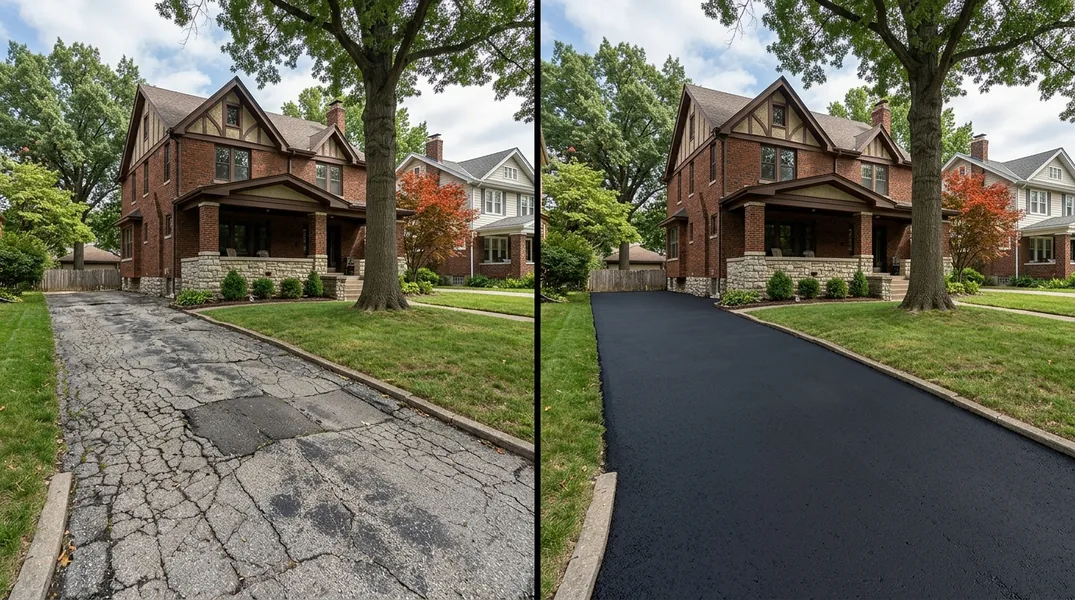
Signs Your Driveway Needs Attention
Every Kansas City homeowner eventually faces the question: is my driveway damaged beyond simple fixes? The answer depends on several factors, including the age of your asphalt, the severity of damage, and how well you've maintained it over the years. Minor cracks and small surface imperfections are normal wear and tear, but larger issues signal that professional intervention is needed.
Common warning signs include large cracks wider than a quarter inch, potholes of any size, significant fading or oxidation, and areas where the asphalt has begun to separate from the concrete edges. If you notice water pooling on your driveway after rain or see chunks of asphalt missing, these are clear indicators that damage has progressed. The good news is that not every problem requires a complete replacement. Sometimes Driveway Repair or targeted solutions like Pothole Repair & Asphalt Patching can extend your driveway's life significantly and save you money in the long run.
When Repair Is the Right Choice
If your driveway is still structurally sound but showing surface damage, repair work is often the most economical solution. Driveway Repair services can address isolated potholes, fill cracks, and restore the surface without requiring you to remove and replace the entire pavement. This approach works best when damage is limited to less than 30 percent of the total driveway area and the base layer beneath remains intact.
Another excellent middle-ground option is Asphalt Resurfacing & Overlay, which involves applying a fresh layer of asphalt over your existing driveway. This method is ideal if your current asphalt has surface deterioration but the underlying structure is still solid. Resurfacing is typically faster and more affordable than a full replacement, and it can add several more years of life to your driveway. Most homeowners in North Kansas City and surrounding areas find that resurfacing provides excellent value when caught at the right time.
When Full Replacement Makes Sense
Complete replacement becomes necessary when your driveway has reached the end of its serviceable life or when structural damage has compromised the base. If you're seeing extensive cracking patterns, large sections of missing asphalt, severe rutting, or if repairs have become a recurring expense, replacement is likely your most practical long-term investment. A typical asphalt driveway lasts 15 to 20 years with proper maintenance, though this timeline varies based on climate, usage, and how well you've cared for the surface.
When you choose Asphalt Driveway Paving & Installation, you're investing in a fresh start with a new warranty and years of reliable service ahead. The process involves removing the old asphalt, preparing the base, and installing new pavement to proper specifications. While replacement requires a larger upfront investment than repairs, it eliminates ongoing maintenance headaches and provides peace of mind knowing your driveway is built to last.
How Long for Asphalt to Cure and When You Can Drive On It
One of the most common questions homeowners ask after new installation is how long before they can use their driveway normally. Understanding the curing process is essential for protecting your investment and ensuring proper hardening. When you have Asphalt Driveway Paving & Installation completed, the asphalt begins cooling immediately after installation, but this cooling phase is different from actual curing.
How long for asphalt to cure depends on several conditions, including temperature, humidity, and asphalt thickness. Generally, how long before you can drive on new asphalt ranges from 24 to 48 hours for light vehicle traffic. However, full curing typically takes 6 to 12 months, during which the asphalt continues to harden and settle. During the first few days, avoid parking in the same spot for extended periods, as concentrated weight can create depressions. Keep heavy vehicles and equipment off the surface during this initial curing window. For the first week, limit traffic to essential vehicles only, and avoid sharp turns or sudden acceleration that could mark the soft surface.
Temperature plays a crucial role in curing speed. Warmer conditions accelerate the process, while cold weather slows it down. This is why Independence homeowners installing driveways in summer often see faster usable results than those installing in cooler months. Your contractor will provide specific guidance based on the conditions when your driveway is installed.
New Asphalt Driveway Care: Essential Maintenance Steps
Proper new asphalt driveway care in the months and years following installation directly impacts how long your investment lasts. The first step is allowing adequate curing time before applying any sealant. Most professionals recommend waiting 90 days after installation before seal coating, as the asphalt needs time to fully cure and any excess oils need to evaporate. During this initial period, avoid using deicing salts or harsh chemicals on the surface, as these can interfere with proper curing.
Once your driveway has cured, establishing a maintenance routine becomes critical. Regular cleaning removes debris and prevents organic matter from breaking down the asphalt. Sweep your driveway regularly and pressure wash it annually to maintain appearance and remove damaging substances. Watch for small cracks and fill them promptly before they expand. Even minor cracks allow water to seep into the base layers, which accelerates deterioration, especially through Lee's Summit winters.
The most important maintenance task is seal coating. How often to seal driveway depends on climate and traffic, but most experts recommend every 2 to 3 years. Seal coating creates a protective barrier that shields asphalt from UV rays, water infiltration, and chemical damage. This single preventive measure can extend your driveway's life by several years and save thousands in repair costs. In Kansas City's variable climate with freeze-thaw cycles, seal coating is particularly valuable for protecting your asphalt investment.
Budgeting for Your Driveway Project: What to Expect
Understanding the financial aspect of driveway decisions helps you plan effectively and make the right choice for your situation. Repair costs are generally the lowest option, typically ranging from a few hundred dollars for pothole patching to several thousand for extensive crack filling and resurfacing work. The exact amount depends on the extent of damage and your location within the Kansas City area. Asphalt Resurfacing & Overlay falls in the middle range, usually costing more than repairs but significantly less than full replacement.
Full Asphalt Driveway Paving & Installation requires the largest investment but provides the longest-term value. While you'll find detailed pricing information on our website, costs vary based on driveway size, base condition, and current material prices. To get an accurate assessment of your specific situation and receive a customized quote, we recommend contacting Kansas City Asphalt Paving at (816) 710-5361 or requesting a free estimate. Our experienced team can evaluate your driveway and recommend the most cost-effective solution for your needs.
Looking for a professional asphalt paving contractor in Kansas City? Kansas City Asphalt Paving responds fast for all your asphalt paving needs.
Get a Free Quote